
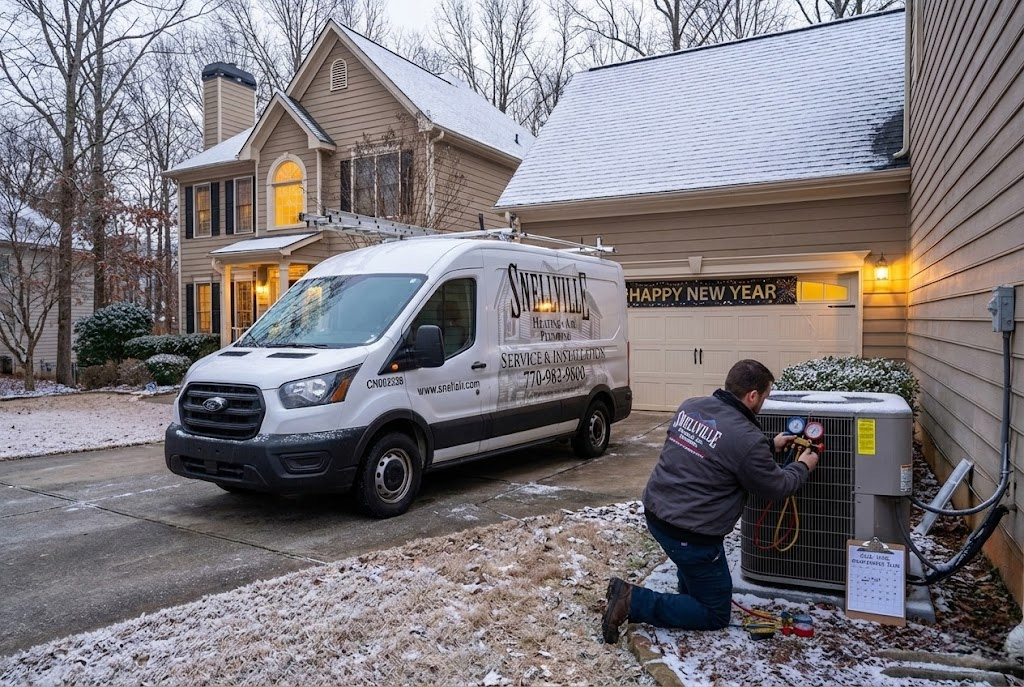
A new year is the perfect time to set comfort goals for your home, and one of the smartest resolutions you can make is planning your HVAC maintenance for the year ahead. A clear, proactive strategy helps your system perform reliably, improves efficiency, and reduces the chance of unexpected breakdowns. With a simple maintenance calendar in place, you can stay comfortable all year long without last-minute stress.
Why HVAC Planning Matters at the Start of the Year
HVAC systems work hard through changing seasons, and problems often develop gradually. Without a plan, maintenance can be forgotten until performance drops or a repair becomes unavoidable. Starting the year with a clear strategy allows you to stay ahead of wear and tear and keep your system operating at its best.
In Snellville, GA, where both heating and cooling are essential throughout the year, a planned approach ensures your system is prepared for seasonal demands rather than reacting after issues arise.
Step One: Schedule Seasonal Tune-Ups
The foundation of any HVAC maintenance plan is routine professional tune-ups. Most systems benefit from two main service visits each year—one before the cooling season and one before the heating season. These appointments allow technicians to inspect, clean, and adjust components to ensure safe and efficient operation.
By scheduling tune-ups early in the year, you can reserve preferred appointment times and avoid peak-season delays. Adding these visits to your calendar now helps make maintenance a habit rather than an afterthought.
Step Two: Create Monthly Maintenance Reminders
Not all HVAC care requires professional service. Simple monthly reminders can help keep your system running smoothly between tune-ups. Tasks such as checking air filters, keeping vents clear, and monitoring thermostat performance are small steps that support system efficiency.
Setting recurring monthly reminders—either digitally or on a home calendar—makes these tasks easy to remember. Consistent attention helps prevent airflow restrictions and supports more even temperature control throughout the year.
Step Three: Plan Ahead for System Inspections
In addition to standard tune-ups, it’s helpful to plan for occasional system inspections. These checkups focus on identifying early signs of wear, minor electrical issues, or safety concerns with gas-burning furnaces or electrical components.
Building inspection check-ins into your annual plan allows technicians to address small issues early, reducing the risk of mid-season disruptions. This proactive mindset is key to long-term system reliability.
Step Four: Track Performance and Comfort Changes
Your HVAC system often signals when it needs attention. Uneven temperatures, unusual noises, or longer run times are all worth noting. Keeping a simple record of performance changes throughout the year can help technicians diagnose issues more quickly during service visits.
Step Five: Review and Adjust Your Plan Each Year
An effective HVAC maintenance plan is flexible. As your system ages or usage patterns change, your strategy may need adjustments. Reviewing your maintenance calendar at the end of the year allows you to refine your approach for the next season.
By treating HVAC care as an ongoing process rather than a one-time task, you set realistic comfort goals and support consistent performance year after year.
If you’re ready to build a smart maintenance plan for 2026, contact Snellville Heating, Air and Plumbing today to schedule your HVAC service. Your Comfort Is OUR Business.
 770-982-9800